Cross Cutting

Innovative materials, innovative processes, nanomaterials ...
Here you will find various cross-cutting topics on new, innovative materials as well as nanomaterials and their effects on humans and/or the environment.

What is meant by biocatalysis?

Biocatalysis: Revolution in Sustainable Chemistry Catalysis refers to the process by which chemical reactions occur faster, more energy-efficiently, or in

Tire wear particles – an underestimated issue for humans and the environment?

The emission of tire and road wear particles (TRWP) is linked to car driving, especially under stress driving conditions. These

Bildquelle luchschenF-stock.adobe.com

Materials for 3 D printing

3D printing has boomed in recent years, even for private use, as 3D printers and printed materials are available at

Faser

Airborne Fibres

In newspapers or on the internet the headline regularly appears saying that nanomaterials behave like asbestos in organisms and induce

Granular biopersistent dust particles

There are millions of workplaces with a substantial dust burden not only in Germany. As dust affects the lung and

Labelling of Chemicals and Additives

The numbers described here, i.e. E Numbers, CI Numbers, and CAS Registry Numbers, identify additives in products on the market.

Nanoplastic in the environment

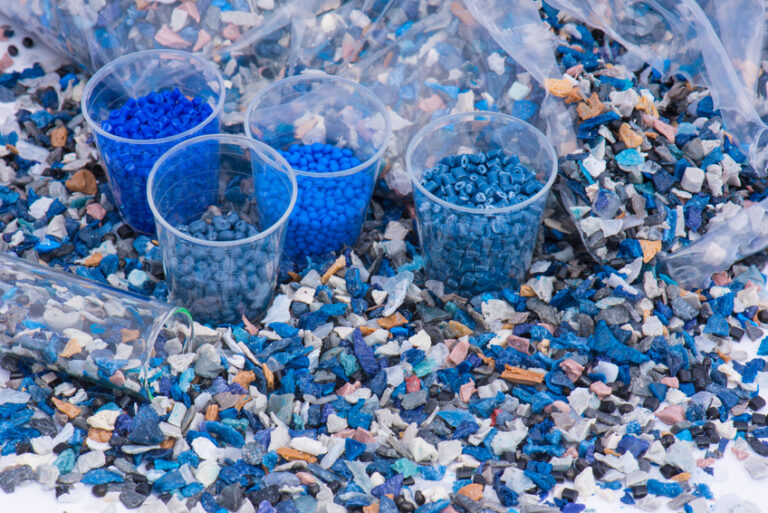
Plastic is ubiquitous as packaging material or as part of many products of our daily life. However, due to the

Nanomaterials in the wastewater treatment plant

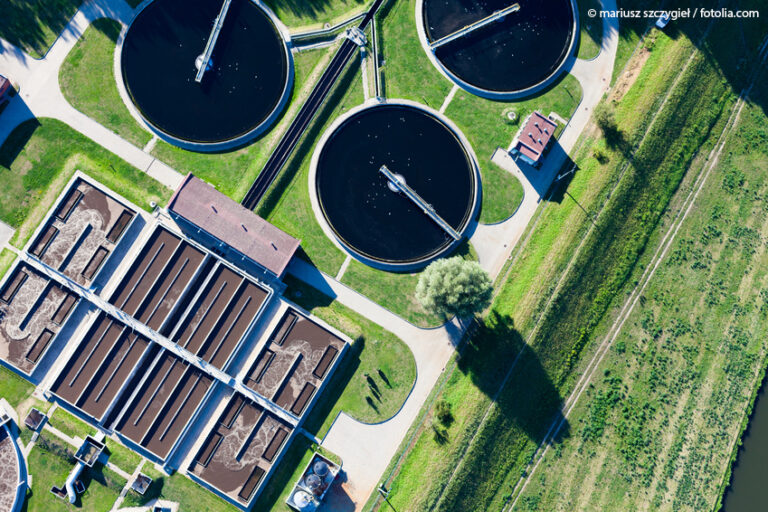
Engineered nanomaterials can be released from nanoproducts during use and waste disposal and a fraction can end up in wastewater.

Nanomaterials in plant protection products

Pesticides or plant protection products are intended to protect plants from pests such as insects, microorganisms or vermin such as

Nanomaterials and pollinating insects

Pollinating insects like bees or bumblebees are potentially exposed to nanomaterials via aerosols, the pollen of contaminated plants and water

Transformation of nanomaterials in the environment

After their release, innovative materials or nanomaterials are not only distributed in the air, soil or water (see Basic Information:

Estimating the occurrence of nanomaterials in the environment

To perform a risk assessment of nanomaterials in the environment, information on the exposure, i.e. the amounts that are present

Detecting nanomaterials in the environment

Engineered nanomaterials are intentionally and unintentionally released into the environment, which might pose a risk to the ecosystem. Nanoparticulate iron

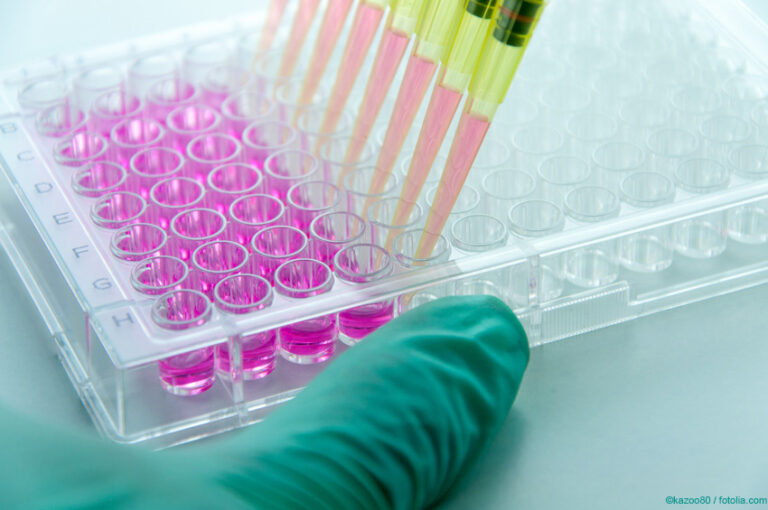
In vitro tests for the benefit of nanosafety

In vitro tests are used in many fields of the biological sciences, since they are usually quick and relatively inexpensive.

Nanomaterials in food packaging

Packaging is essential for the distribution and storage of food. Its main function is to maintain the quality of food

Nanomaterials in Food

Certain nanomaterials can be used in food and food products for various purposes. In the form of approved food additives,

Nanomaterials in waste

New products containing nanomaterials are constantly being released to the market and used for diverse purposes. As a result, growing

Nanoparticles in Textiles

The textile industry is one of the most important industries for consumer goods worldwide generating textiles for clothing, household goods,

Nanoparticles in paints

In general terms paint depicts a liquid that is used to coat a solid surface in order to protect, seal

Risk Analysis of Nanomaterials

Risk analysis is broadly defined to include risk assessment , risk characterization, risk communication, risk management, and policy relating to

Risk Assessment of Nanomaterials

Risk is defined differently depending on the (scientific) discipline. In general, the term “risk” denotes the potential loss of something

Risk Management of Nanomaterials

The definition of a level of acceptable risk of new nanomaterials is defined on a societal consensus and political decision

Ironoxide carbohydrate nanoparticles for iron deficiency

The application of metallic nanoparticles is being widely investigated for various nanomedicines. They offer the possibility to develop both novel

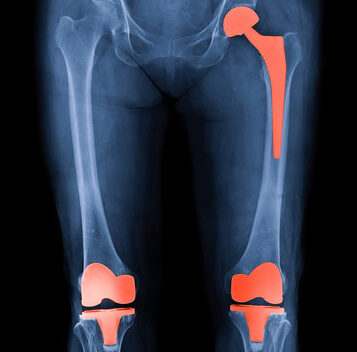
Innovative materials in medical devices

Medical devices have become indispensable to everyday life and represent a growing market. Medical device applications range from huge machines

Nanomedicine

Nanomaterials represent important new options for the treament of a variety of diseases. In medicine nanomaterials already are employed for

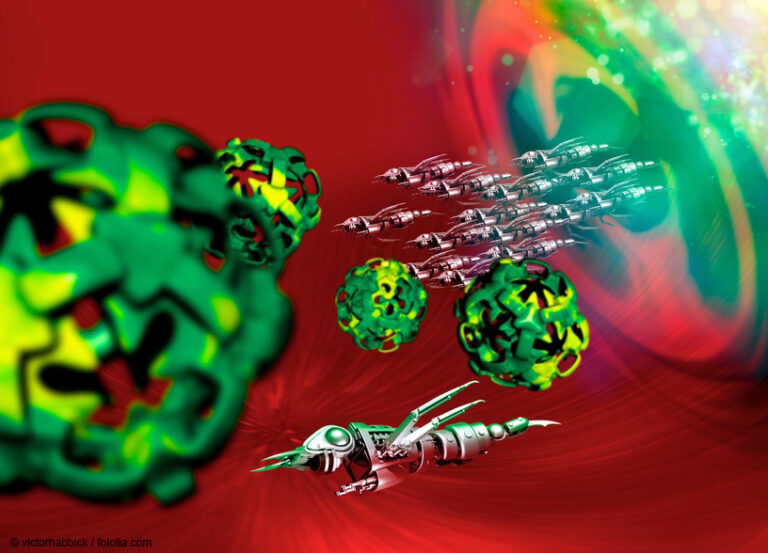
Nanobots – reality or fiction?

For centuries, man’s imagination has been inspired by technical developments. Not only Jules Verne (1828-1905) anticipated many technical innovations in


Education and Training for Nanotechnology

Nanotechnology is a future labour market, since this branch of industry is quickly growing internationally. In 2013, a total of

Coatings for Nanomaterials

When talking about surface coatings of nanomaterials often terms such as modification, functionalisation or stabilisation are used. This diversity in

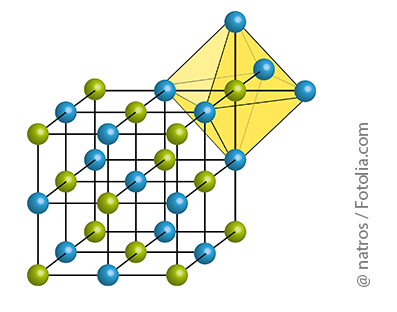
Crystal Structures of Nanomaterials

Depending on external conditions such as temperature or pressure, atoms may arrange themselves in various ways in lattice structures. Therefore,

Skip to content
This site is registered on wpml.org as a development site. Switch to a production site key to remove this banner.